
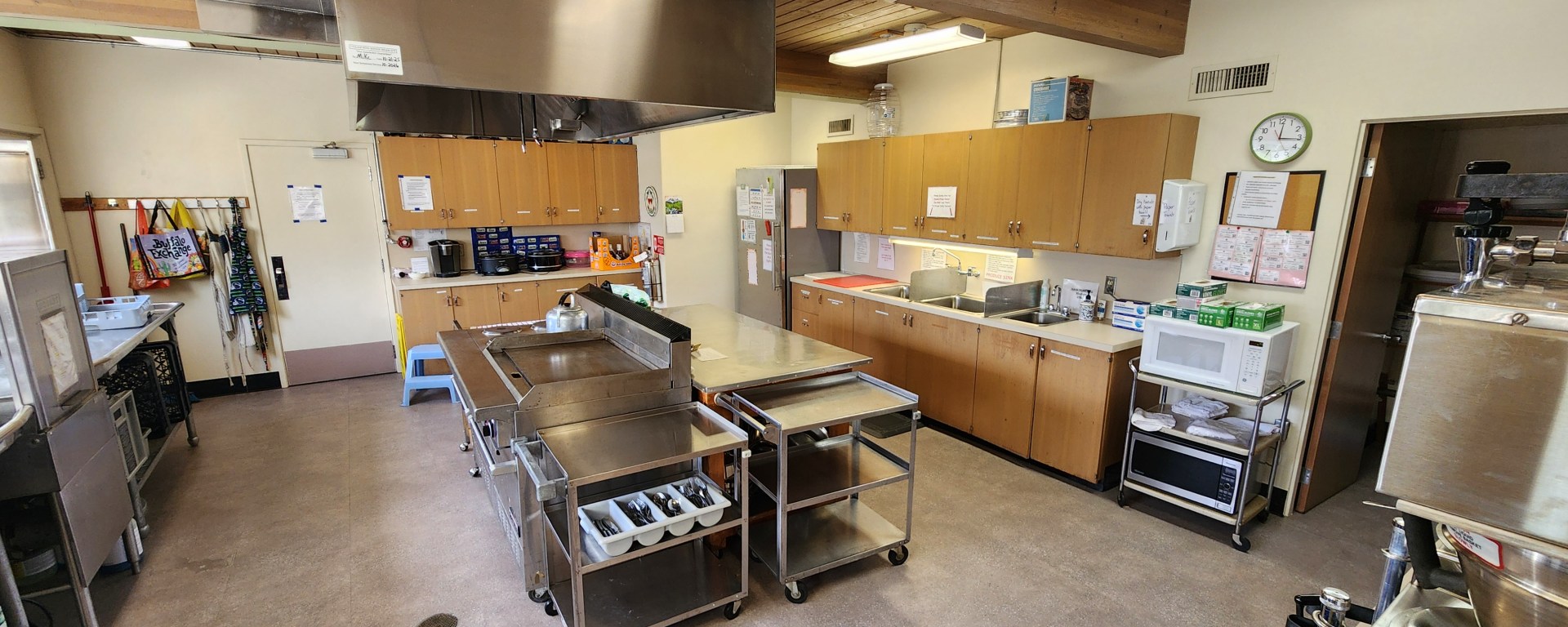
What’s your church kitchen like?
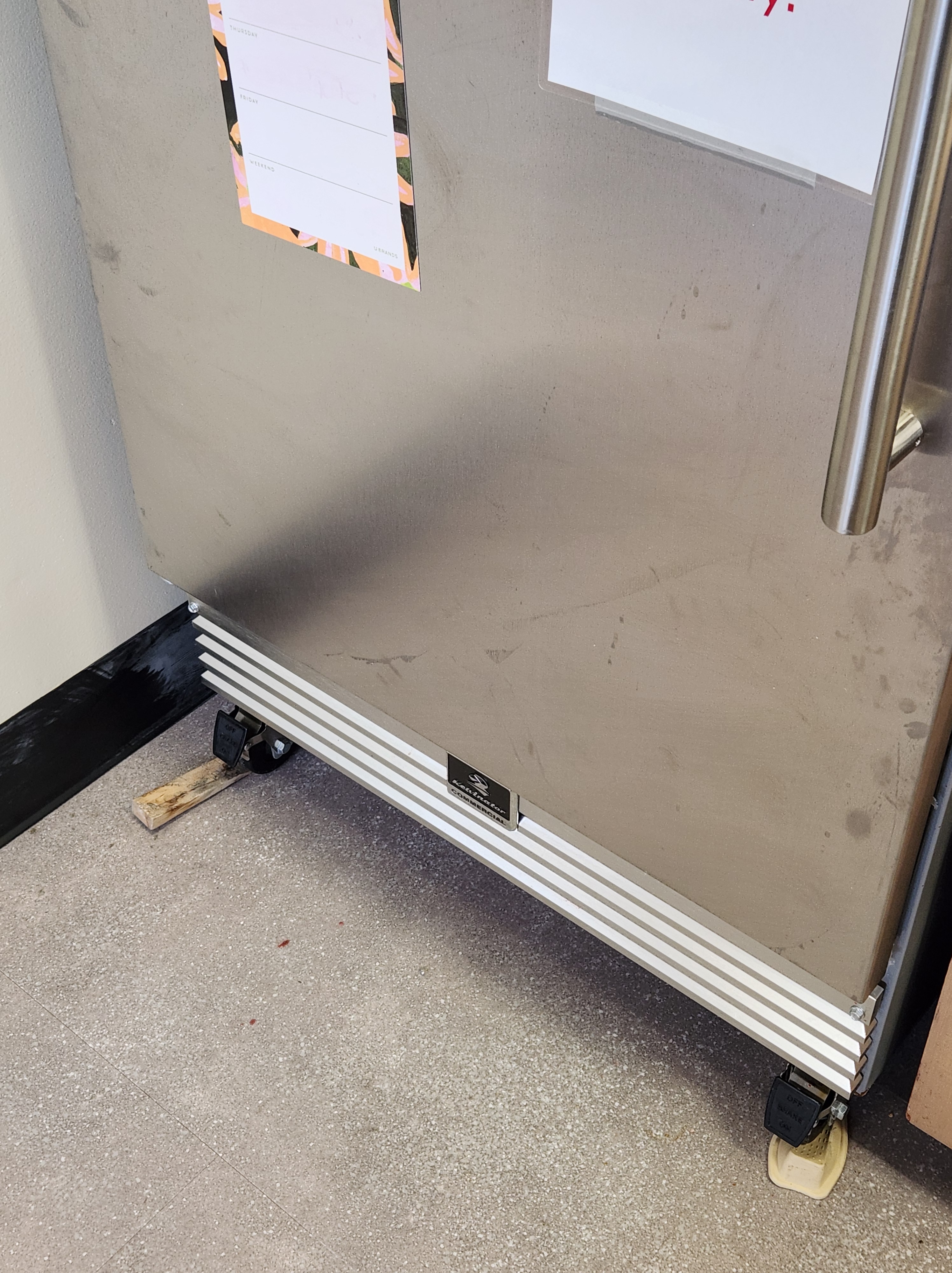
The church kitchen at Mount Vernon is “certified”. I thought that was a bit crazy to be honest. It certainly needs to be managed to stay “certified”. Otherwise, it’s fairly standard. The refrigerator requires those wooden-wedged door-stops to keep from rolling out into the memorial garden.
Lately, we’ve been eating together a lot more. It kinda began in 2024 when we hosted some community hospice luncheons. Folks would come to eat lunch, and Hospice workers would teach about aging in place, advanced directives, palliative care, etc. Then we held Lenten suppers in 2025. That was followed by a fundraiser tamale sale that paid out in fun as much as it did in dollars. Finally, we remembered our tradition of summer picnics. Putting all of this together, we began wondering how we could export the good times we have over food.
In September 2025, we began a monthly community meal, open to anyone. It’s nothing groundbreaking. We took inspiration from our friends at Allen UMC who regularly throw down a great spaghetti feed. For our meal, we enlisted the help of a local culinary teacher who helped us develop recipes for large groups. This month we welcomed around 50 people. We’ve welcomed the unhoused, seniors from the facility behind us, a large family who appreciates a free meal late in the month, several friends of our Hispanic MInistry and plenty of retirees who may need fellowship as much as food.
A few weeks ago I was invited to the local Interfaith Iftar, hosted by the Muslims of Skagit County (MOSC). I had been jealous of Meredith since she’s regularly invited to the Iftar in Marysville. So I was delighted to join the throngs hearing prayers and scriptures of our Muslim friends. The scripture of the day? The telling of the story of the prophet Zechariah and the miraculous birth of John the Baptist! But the star of the Iftar is the food! Over biryani and candied dates, we fellowshipped with a Hindu family as well as a Missouri-Synod couple. The local LDS missionaries were invited and it was delightful to see them walking around with suits and NO shoes. Later they were in deep, friendly conversation with the hosts. Just an invitation to break bread together was moving many people of many faiths.
One of the challenges of a certified kitchen is keeping up with regulations. One of our members voluntarily took the county training and is helping us stay “regulated”. A related challenge is making sure the kitchen serves a church function, not just a commercial function. We know that lots of ministry happens over a pot of soup on the stove or a day spent making posole. To meet both the church and commercial purposes, our kitchen manager recently hosted a training in Spanish to get Food Handler’s cards for our Spanish speaking members. The kitchen will always need managed, but I have seen an attitude shift from ‘protecting the certification,’ to ‘equipping others to use the kitchen.” That renewed togetherness has been refreshing.
Finally, I’m thinking a lot about James. “If a brother or sister is naked and lacks daily food and one of you says to them, “Go in peace; keep warm and eat your fill,” and yet you do not supply their bodily needs, what is the good of that?,” (James 2:15-16). People need connection. And people need to eat. When you meet an obvious need, like food, how much more likely are you to meet a deeper need? If we were regularly in the business of feeding people, I think we could do a lot of good. I think our relevance would be a lot harder to question. And I think that we would find people who truly need the blessed community we offer.
So look at your church kitchen. It might be the key to your church’s next vital ministry.
 deeplyplaid.com